Why is Cold Rolled Coil Important for Manufacturing Industries?
Cold Rolled Coil plays a vital role in the manufacturing industries. Its unique properties make it essential for various applications. This type of coil is produced through a process that enhances its strength and finish. The result is a smooth surface that is ideal for many products.
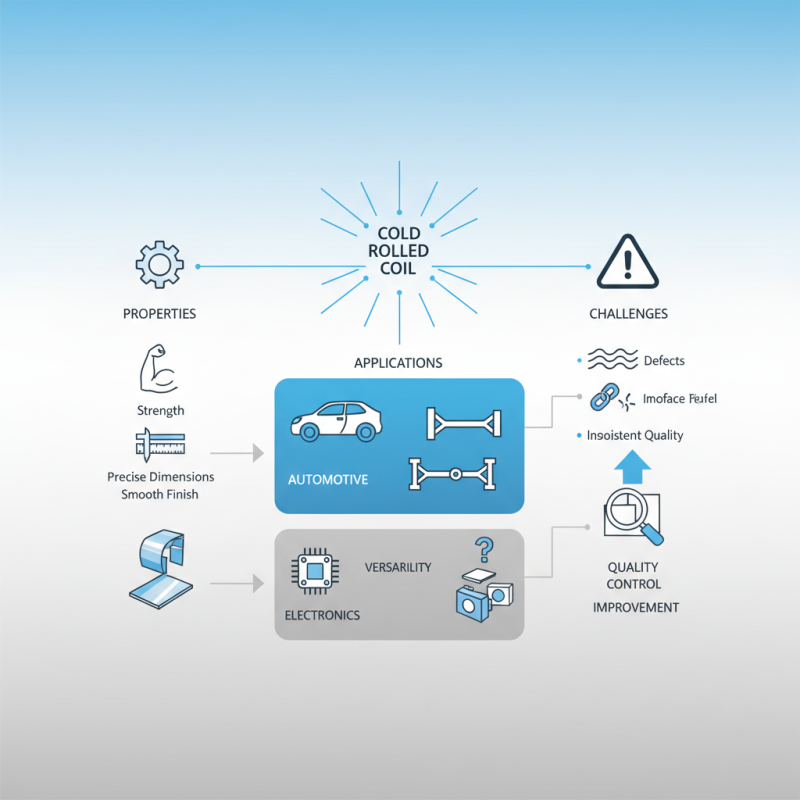
Manufacturers utilize Cold Rolled Coil for its precise dimensions and mechanical properties. The automotive sector relies heavily on it for body panels and frames. Electronics also make use of Cold Rolled Coil for various components. Its versatility allows for a wide range of applications.
However, challenges exist in producing high-quality Cold Rolled Coil consistently. Issues like surface defects can arise during manufacturing. Such imperfections can affect the final product's performance. Reflecting on these aspects is crucial for continuous improvement in the industry. A focus on quality control may help mitigate these problems.
The Definition and Characteristics of Cold Rolled Coil
Cold rolled coil is a key material in the manufacturing sector. It is made by rolling the steel at room temperature. This process alters the steel's mechanical properties. The end product is thinner, smoother, and stronger compared to hot-rolled steel.
One main characteristic is the finish. Cold rolled coils often have a shiny surface. This quality makes them suitable for applications where aesthetics matter. The precision of the thickness is another crucial feature. Manufacturers require exact measurements for their products. Tolerance levels are tighter with cold rolled steel, leading to less waste.
Tips: Always ensure the coil is stored properly. Improper storage can lead to corrosion. Inspect the coils regularly for any signs of damage. This habit can save costs in the long run. Understand the differences between cold and hot rolling. Making choices based on specific needs can improve production efficiency.
The Manufacturing Processes Utilizing Cold Rolled Coil
Cold rolled coil plays a vital role in various manufacturing processes. Its unique properties make it suitable for many applications. This type of steel is known for its superior surface finish and tighter tolerances. Manufacturers use cold rolled coil in automotive parts, appliance shells, and furniture frames. These industries value strength and precision in their products.
Precision is key when working with cold rolled coil. The manufacturing process often involves cutting and forming, which require accurate dimensions. Parts made from cold rolled coil can fit together seamlessly, improving overall product quality. However, inconsistencies during production can lead to issues. Manufacturers must monitor thickness and flatness carefully. Small deviations can have significant impacts later in the production line.
Another process relies on cold rolled coil: stamping. This technique shapes the metal into complex designs. Stamping demands high pressure and accuracy, highlighting the need for reliable materials. Yet, challenges arise when the coil is not properly processed. This can lead to defects, wasting both time and resources. Manufacturers must invest in quality control to mitigate these risks. Cold rolled coil is essential, but it requires careful handling and oversight.
Key Advantages of Cold Rolled Coil in Production
Cold rolled coil has become essential in various manufacturing sectors. Its unique properties enhance production efficiency and product quality. The process of cold rolling compresses metal at room temperature. This method not only increases strength but also improves surface finish.
One major advantage of cold rolled coil is its dimensional precision. Standard tolerances for thickness are often within ±0.5% of specifications. This level of accuracy reduces material waste during the manufacturing process. According to industry reports, cold rolled steel can result in a 15% reduction in waste material. Such efficiency is crucial for manufacturers aiming to minimize costs while maximizing output.
Another significant aspect is the improved mechanical properties. Cold rolled coils exhibit superior yield strength compared to hot-rolled alternatives. With a typical increase of 20% to 30% in tensile strength, these materials hold up better under stress. They are also more suitable for applications requiring tight tolerances. Yet, some manufacturers may struggle with the cost of cold rolling. The initial investment can be high, and not all applications require its advantages. Balancing cost and quality remains a challenge for many in the industry.
Why is Cold Rolled Coil Important for Manufacturing Industries? - Key Advantages of Cold Rolled Coil in Production
| Dimension | Property | Advantage |
|---|---|---|
| Thickness | 0.3 - 5.0 mm | Enables precision machining and reduces waste |
| Width | 500 - 2000 mm | Versatile for various manufacturing applications |
| Finish | Smooth and shiny | Improves aesthetic quality in finished products |
| Yield Strength | 250 - 450 MPa | Enhances durability and resistance to deformation |
| Applications | Automotive, appliances, construction | Critical for component manufacturing |
Applications of Cold Rolled Coil Across Various Industries
Cold rolled coil is crucial across various manufacturing sectors. The precision and uniformity of cold rolled coil enhance product quality. In automotive manufacturing, it is vital for producing chassis components and body panels. This method ensures a smooth surface and tight tolerances. According to industry reports, the automotive sector is projected to consume around 40% of cold rolled steel by 2025.
In the appliance industry, cold rolled coil provides the necessary strength for refrigerators and washing machines. It offers excellent formability, making it ideal for intricate designs. Moreover, the construction industry relies heavily on cold rolled steel for structural components. Research shows that cold rolled coil accounts for 30% of the steel used in construction applications.
Tips: Pay attention to quality. Inconsistent thickness can lead to defects. Regular audits on material specifications can prevent costly mistakes.
When considering new projects, think about the source of your materials. Always check whether the supplier adheres to industry standards. Rather than focusing solely on cost, evaluate the long-term benefits and reliability of the materials.
Market Trends and Future Outlook for Cold Rolled Coil in Manufacturing
Cold rolled coil is a vital material in the manufacturing sector. Its unique properties allow for precise engineering applications. These attributes include better surface finish and tighter tolerances. Many industries rely on this material for products ranging from automotive parts to home appliances. The demand for high-quality steel continues to rise, shaping market trends.
The future outlook for cold rolled coil is promising, yet challenged. Emerging technologies in manufacturing are pushing for lighter and stronger materials. This shift creates both opportunities and hurdles. Companies must adapt to these trends to stay competitive. Sustainability is another growing concern. Reducing environmental impact is essential for long-term growth.
Market analysis shows a steady increase in cold rolled coil usage. However, fluctuations in raw material costs could affect pricing strategies. Manufacturers may need to reevaluate supply chains to mitigate risks. Innovation in production techniques will play a crucial role in addressing these challenges. Industry leaders must embrace change while balancing quality with cost-effectiveness. Keeping up with these trends is necessary for future success.