How to Choose the Right Bent-axis Motor for Your Needs?

Choosing the right Bent-axis Motor can significantly impact your project's success. The global market for hydraulic motors is projected to reach $7 billion by 2026, with Bent-axis Motors gaining popularity for their efficiency and reliability. These motors are often preferred in applications requiring high performance in compact designs. Choosing the wrong type can lead to inefficiencies and increased operational costs.

When selecting a Bent-axis Motor, factors such as torque, speed, and application conditions must be considered. Recognizing the specific requirements of your operation is essential. Misjudging the specifications can result in reduced performance and costly downtimes. Experts suggest analyzing workload and environmental factors before making a decision.

Industry reports indicate that advancements in technology are influencing motor designs. Innovations lead to improved efficiency and performance. However, not all products in the market meet these new standards. Buyers should remain vigilant about quality and compatibility. Taking time to evaluate options can prevent future complications. A thorough understanding of your needs will guide you in making an informed choice.
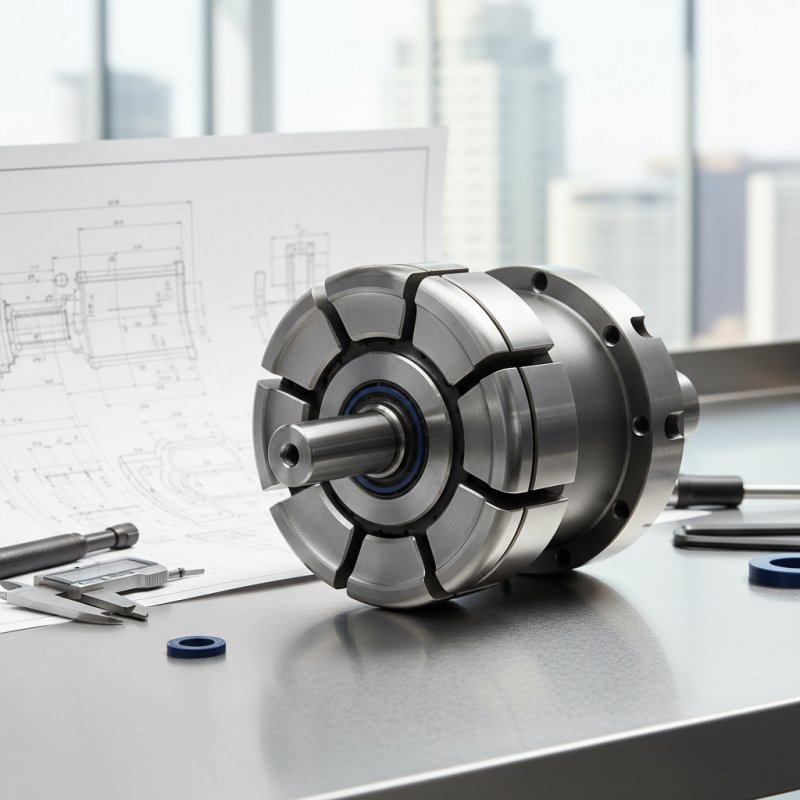
How to Choose the Right Bent-axis Motor for Your Needs?

Understanding Bent-axis Motors: Definition and Functionality

Bent-axis motors play a critical role in several industries, particularly in hydraulic applications. These motors convert fluid power into mechanical energy efficiently. The unique design allows them to offer high torque output while maintaining a compact form. A study from the International Fluid Power Society indicates that bent-axis motors can achieve efficiencies exceeding 90%. This is a significant improvement over traditional hydraulic motors.

Understanding the functionality of bent-axis motors is crucial for optimal selection. The angle of the drive shaft affects torque and speed characteristics. Not all applications require high speeds. Some may prioritize torque, making it essential to evaluate the specific needs of your system. The Society of Automotive Engineers suggests that torque density is a vital factor when analyzing motor performance. Users sometimes overlook this aspect, leading to underperformance in their applications.

Choosing the right motor involves examining various factors. Fluid type, operating pressure, and environmental conditions are key considerations. The interplay between these elements can impact motor longevity and efficiency. Users often underestimate their environment's effects, which can lead to failures. Therefore, detailed analysis and careful selection are necessary for optimal performance in demanding situations.

Key Parameters to Consider When Selecting a Bent-axis Motor

Choosing the right bent-axis motor involves careful consideration of key parameters. One important factor is displacement. Displacement significantly affects the motor's torque and efficiency. A higher displacement means more power but might lead to increased size and weight. It's essential to balance performance with system limitations.


Next, look at the pressure rating. This specification defines the maximum operating pressure of the motor. Exceeding this limit may cause damage. Adequate pressure rating ensures reliability and long motor life. Don't overlook duty cycle as well. It indicates how long the motor can operate before cooling down. A poorly matched duty cycle could lead to overheating issues.


Additionally, consider the mounting style and connection options. Different applications may require specific configurations. The flexibility in mounting can impact installation ease and overall design. Lastly, always evaluate the motor's efficiency. Unsatisfactory efficiency can lead to higher energy costs. Take the time to compare various options thoroughly before making a final choice.

Comparison of Performance Metrics in Different Bent-axis Motor Models

When selecting a bent-axis motor, performance metrics play a crucial role. Different models offer varying efficiency levels, torque outputs, and operating speeds. Comparing these metrics can be complex. Some motors excel in high-speed applications, while others might be better for torque-heavy tasks. Understanding your specific needs is vital.

Let’s consider efficiency. Some models deliver higher efficiency rates, translating to lower energy consumption. However, this might not always mean better performance for your application. A motor with lower efficiency might produce more torque, which could be beneficial in a demanding task. It’s essential to weigh these factors carefully.

Additionally, the size and weight of the motor can impact your choice. Compact models might fit better in restricted spaces, but they can also handle lesser power. On the flip side, larger motors often provide better outputs but can be cumbersome. Therefore, reflecting on your project’s requirements is necessary. Each metric has its strengths and weaknesses, allowing for tailored solutions.

Applications of Bent-axis Motors Across Various Industries

Bent-axis motors are increasingly popular in various industries. Their unique design allows for efficient performance in applications like construction machinery. These motors are compact and powerful, making them ideal for hydraulic systems.

In the automotive sector, bent-axis motors drive electric vehicles and hybrids. Their high torque and efficiency improve energy consumption. However, integrating these motors can be complex. Engineers must consider the system's overall design.

Manufacturing also benefits from bent-axis motors. They enhance the speed and precision of automated systems. Yet, the selection process can be tricky. Each application has unique requirements. It's crucial to assess factors like power needs and size constraints before choosing a motor.

Applications of Bent-axis Motors Across Various Industries

Future Trends in Bent-axis Motor Technology and Innovation

The future of bent-axis motor technology is promising yet complex. Innovations are emerging at a fast pace. Engineers are exploring new materials to improve efficiency. Sustainability is becoming a key focus area. The quest for lighter components could lead to significant advancements. However, the challenge lies in balancing performance with durability.

Digitalization is another trend shaping this technology. Smart motors with integrated sensors are becoming popular. These motors can monitor performance in real-time. Users can predict maintenance needs, reducing downtime. However, integrating such technology poses difficulties. Ensuring data security is crucial but often overlooked.

As the market evolves, customization becomes essential. Off-the-shelf solutions may not meet every requirement. Users need to reflect on their specific applications. Too often, companies settle for generic options. This may limit their operational potential. Embracing tailored solutions could lead to greater efficiency and effectiveness in the long run.